
Rachel Reeves has condemned US President Donald Trump’s choice to initiate armed intervention against Iran, saying she is “angry” at a confrontation with no clear exit strategy. The Chancellor warned that the war is “causing real hardship for people now”, with possible impacts including increased inflation rates, slower economic expansion and reduced tax receipts for the UK economy. Her forthright condemnation of Trump amounts to a stronger criticism than that offered by Prime Minister Sir Keir Starmer, who has encountered ongoing pressure from the American president over Britain’s unwillingness to permit US forces to use UK bases for first-phase operations. The escalating tensions between Washington and London come as the government works to address the economic fallout from the Middle East conflict.
Chancellor’s Direct Warning on Middle East Crisis
Speaking to BBC Radio 2’s Jeremy Vine show, Reeves outlined her dissatisfaction with the administration’s military strategy, highlighting the lack of a coherent plan for de-escalation. “I’m angry that Donald Trump has opted to engage to war in the region – a war that there’s not a clear plan of how to exit,” she remarked firmly. The Chancellor’s readiness to openly challenge the American president underscores the government’s mounting anxiety about the geopolitical implications of the situation and its broader impact across the Atlantic. Her remarks indicate that the UK government considers the situation as becoming progressively unworkable, particularly given the lack of defined objectives or exit criteria.
The government has commenced implementing precautionary steps to reduce the economic impact from the rising tensions. Reeves disclosed that ministers are engaged in efforts to obtain extra energy supplies for the UK, attempting to stabilise energy costs before mounting inflationary pressures develop. These initiatives reflect broader concerns about the exposure of households across Britain to unstable energy markets during periods of Middle East unrest. The Chancellor’s active approach suggests the government recognises the criticality of protecting consumers from likely price surges, whilst also managing views on what intervention can reasonably achieve.
- Rising price levels and sluggish economic growth threatening British economic wellbeing
- Reduced tax revenues limiting government spending capacity
- Sourcing additional oil and gas supplies for market stability
- Protecting households from volatile energy price fluctuations
UK-US Relations Deteriorate Over Military Strategy
The diplomatic relationship between the UK and the United States has deteriorated markedly since PM Sir Keir Starmer refused to offer comprehensive military backing for America’s military campaigns in Iran. Trump has consistently criticised the UK prime minister in the past fortnight, voicing his frustration at the decision against US forces unrestricted access to UK defence installations for initial strike operations. Although Sir Keir later approved the use of British bases for defensive measures against missile strikes from Iran, this compromise has done nothing to appease the American president’s criticism. The ongoing tension reflects a core dispute over military strategy and the appropriate scope of UK participation in regional conflicts in the Middle East.
The pressure on Anglo-American relations comes at a notably challenging moment for the UK government, which is attempting to navigate complicated economic pressures whilst maintaining its Atlantic alliance. Reeves’ open condemnation of Trump represents an departure from Sir Keir’s cautious strategy, signalling that the government is prepared to express its concerns more forcefully. The Chancellor’s preparedness to communicate openly about her anger at the American president’s decision suggests that financial factors have strengthened the government to take a firmer stance. This change of direction indicates that safeguarding UK economic welfare may increasingly supersede diplomatic niceties with Washington.
Starmer’s Measured Response Differs from Reeves’ Critical Stance
Prime Minister Sir Keir Starmer has upheld a distinctly cautious public demeanor during the rising friction with Washington, declining to match Trump’s incendiary statements or Reeves’ direct criticism. When pressed on his unwillingness to permit unfettered use of UK bases, Starmer declared he would not change course “whatever the pressure,” exhibiting resolve without engaging in personal attacks of the American president. His approach reflects a conventional diplomatic approach of quiet firmness, seeking to preserve the two-way relationship whilst preserving principled positions. This restrained approach differs markedly with the Chancellor’s more aggressive public stance on the issue.
The divergence between Starmer and Reeves’ statements to the press reveals possible disagreements within the government over how to navigate relations with the Trump administration. Whilst both leaders oppose increased military engagement, their messaging approaches vary considerably, with Reeves taking on a increasingly confrontational stance focused on economic impacts. This strategic distinction may indicate differing assessments of how best to protect British interests—whether through diplomatic restraint or pressure through public statements. The contrast highlights the difficulty of handling relations with an unpredictable US government whilst at the same time managing domestic economic concerns.
Energy Crisis Threatens Family Finances
The rising cost of living has become a pressing focal point in British politics, with energy bills constituting one of the most urgent concerns for households across the nation. The possible economic fallout from Trump’s military intervention in Iran risks worsen an already precarious situation, with rising inflation and slower growth risking further strain on family finances. Reeves noted the government is “trying to source oil and gas for the UK so that those supplies exist and to try and get the prices down,” yet the magnitude of the task continues to be daunting. Opposition parties have seized upon the weakness, calling for tangible measures to protect consumers from escalating energy costs as the price cap faces recalculation in July.
The government encounters growing pressure from various political sectors to demonstrate tangible support for struggling households. The planned increase in fuel duty from September, a result of the temporary cut implemented after Russia’s invasion of Ukraine, looms as a especially controversial issue. Opposition parties have joined together in demanding for the increase to be removed, acknowledging the political and economic damage that increased fuel prices could cause. Reeves’ support for the government’s cost of living strategy indicates confidence in their approach, yet critics contend more ambitious intervention is required. The coming months will prove crucial in determining whether current measures prove sufficient to prevent further decline in household finances.
| Opposition Party | Proposed Energy Support |
|---|---|
| Conservative Party | Remove VAT from household energy bills and cancel planned fuel duty increase from September |
| Reform UK | Remove VAT from household energy bills and cancel planned fuel duty increase from September |
| Liberal Democrats | Cancel the planned fuel duty increase from September |
| Scottish Greens | Commit billions of pounds to subsidise energy bills from July when the price cap is recalculated |
Official Measures to Stabilise Supply Chains
Recognising that energy prices alone cannot tackle the full scope of cost of living pressures, the government has expanded its involvement with major economic stakeholders. Chancellor Reeves and Environment Secretary Emma Reynolds held discussions with supermarket bosses on Wednesday to examine joint strategies to easing consumer costs and improving supply chain resilience. Helen Dickinson, CEO of the British Retail Consortium, characterised the discussions as “constructive,” signalling a degree of cooperation between government and retail sector leaders. Such engagement demonstrates an understanding that addressing price rises requires coordinated action across multiple sectors, with supermarkets playing a pivotal role in establishing whether food price increases can be contained.
The retail sector’s direct initiatives to sustain affordable pricing whilst protecting supply chain resilience will be essential to the government’s wider economic objectives. Supermarkets have committed to doing “everything they can to keep food prices affordable,” according to Dickinson’s remarks, though the sustainability of such measures remains uncertain amid worldwide economic instability. The government’s willingness to work alongside business partners suggests a pragmatic approach to managing inflation, going past purely budgetary measures. However, the effectiveness of these partnerships will ultimately depend on whether outside factors—including possible oil price increases from Middle Eastern instability—can be properly controlled or mitigated.
European Turn and Political Strain at Home
The escalating tensions separating the US and UK over Iran policy have revealed fractures in the long-established transatlantic relationship. Prime Minister Sir Keir Starmer has maintained a resolute position, declining to engage further into military operations despite ongoing criticism from Trump. His choice to allow only non-offensive employment of UK bases—rather than allowing offensive strikes—represents a strategically calculated middle ground that has been unable to appease the American government. This departure reflects deep divisions about combat operations in the Middle East, with the British government prioritising economic stability and diplomatic engagement over intensifying military involvement.
Domestically, Reeves’s forthright condemnation of Trump marks a significant shift from Starmer’s more restrained rhetoric, indicating potential divisions within the cabinet over how aggressively to challenge American foreign policy. The chancellor’s focus on economic consequences demonstrates that the government views Iran policy through a characteristically British lens, centred on inflation, growth, and tax revenues rather than geopolitical alliances. This stance may appeal to voters worried about living standards, yet it threatens further straining relations with an increasingly volatile American administration. The government confronts a difficult balance: maintaining its commitment to the special relationship whilst protecting British economic interests and public welfare.
- Starmer refuses to allow UK bases for offensive Iran strikes despite Trump pressure
- Reeves questions absence of a defined exit plan and financial consequences from military conflict
- Government prioritises UK cost of living concerns over deepening military commitment abroad
International Coordination on Strait of Hormuz
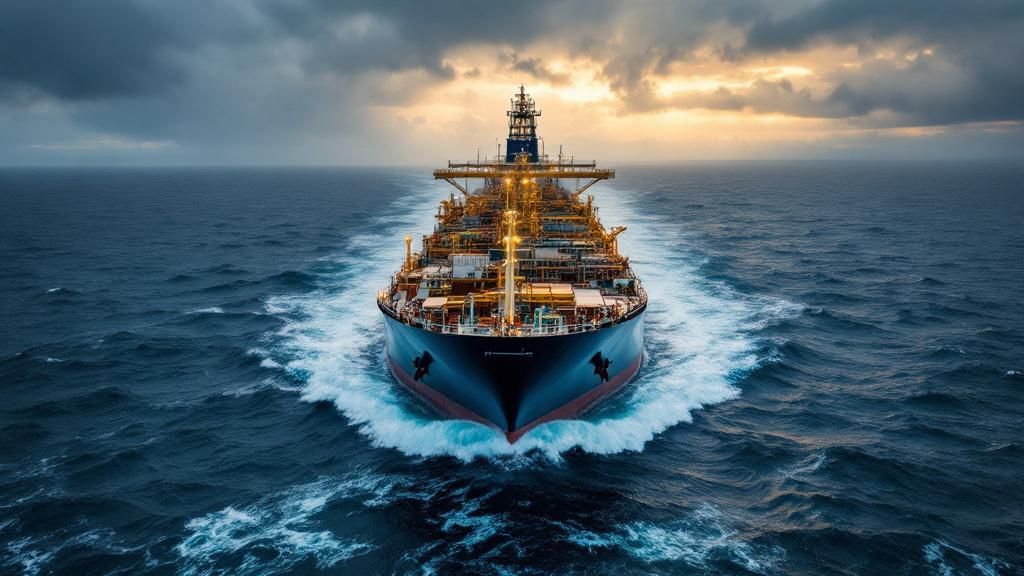
The escalating tensions in the Persian Gulf have increased concerns about the safety of one of the world’s most essential maritime routes. The strategic waterway, through which around one-fifth of worldwide oil production pass daily, remains susceptible to disruption should Iranian forces try to restrict or strike merchant ships. The UK authorities has been liaising with overseas counterparts to ensure freedom of navigation and safeguard commercial vessels from possible Iranian reprisals. These measures demonstrate increasing awareness that the economic impact of the conflict extend far beyond the region, with consequences for fuel security and supply chains impacting global economies, including the United Kingdom.
The government’s commitment to ensuring supplies of oil and gas for British consumers demonstrates the critical significance of preserving stable transit routes through the Gulf. Officials are working with partner countries and maritime authorities to observe the situation and act quickly to potential risks to merchant vessels. This coordinated strategy seeks to prevent the conflict from expanding into a broader regional crisis that could severely impact worldwide energy supplies. For Britain, maintaining these international partnerships is vital for easing price inflation and protecting consumers from additional fuel cost spikes, especially as households face mounting cost-of-living pressures over the forthcoming winter months.
